Why Mitochondrial Health May Be the Missing Link to Energy, Longevity & Healthy Aging
- shonessman
- 1 day ago
- 3 min read




Most people think aging starts with wrinkles, sore joints, or slowing metabolism.
But according to a growing body of research, the aging process may actually begin much deeper — inside your cells.
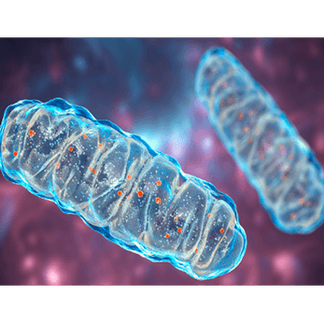
Specifically, inside tiny cellular structures called mitochondria.
Often referred to as the “powerhouses” of the cell, mitochondria are responsible for converting oxygen and nutrients into ATP — the energy currency your body uses for virtually everything: brain function, muscle recovery, metabolism, stamina, and even cellular repair.
When mitochondrial function begins to decline, many people start noticing symptoms such as:
· Low energy
· Brain fog
· Reduced stamina
· Slower recovery
· Poor focus
· Age-related fatigue
Researchers now believe mitochondrial dysfunction may play a major role in how we age and how we feel day to day.
The New Focus in Longevity Research: Cellular Energy
Modern longevity science is increasingly shifting away from quick-fix stimulants and toward supporting the body at the cellular level.
Why?
Because every organ in your body depends on healthy cellular energy production.
In fact, mitochondria generate roughly 90% of the energy your cells require to function properly. As mitochondrial efficiency declines with age, energy production may decrease while oxidative stress increases.
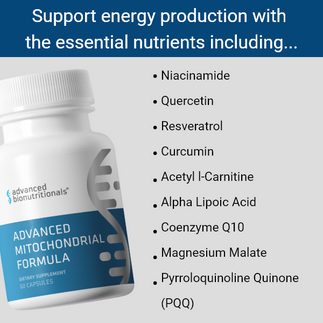
This is one reason researchers continue studying nutrients associated with mitochondrial support, including:
· CoQ10
· PQQ (Pyrroloquinoline Quinone)
· Alpha-Lipoic Acid
· Resveratrol
· Quercetin
· Niacinamide (Vitamin B3)
These compounds are commonly researched for their potential roles in supporting cellular energy production, antioxidant defense, and healthy aging pathways.
Why Energy Drinks Aren’t the Answer
Many people attempt to fight fatigue with caffeine, sugar, or stimulant-heavy products.
The problem?
Those approaches often mask fatigue instead of addressing potential underlying cellular inefficiency.
Mitochondrial support focuses on helping cells produce energy more efficiently rather than artificially forcing the nervous system into overdrive.
That’s why many longevity-focused wellness programs now emphasize:
· Sleep quality
· Exercise
· Recovery
· Nutrient optimization
· Oxidative stress reduction
· Mitochondrial support
Ingredients That Are Getting Attention in Longevity Science
CoQ10
CoQ10 plays a key role in the mitochondrial energy production process and is one of the most widely studied compounds for cellular energy support.
PQQ
PQQ has gained attention for its potential role in supporting mitochondrial health and cellular resilience.
Alpha-Lipoic Acid
This antioxidant is commonly researched for helping combat oxidative stress associated with aging and energy decline.
Resveratrol & Quercetin
These plant-based antioxidants continue to be studied for their roles in healthy aging and cellular defense mechanisms.
Supporting Your Longevity Lifestyle
While no supplement is a magic solution, many health-conscious adults are now incorporating mitochondrial support into broader wellness routines that include:
· Resistance training
· Daily movement
· Quality sleep
· Hydration
· Whole-food nutrition
· Stress management
· Strategic supplementation
At Live Longer Now, we focus on products designed to support vitality, performance, healthy aging, and cellular wellness from the inside out.
One of our featured products is Advanced Mitochondrial Formula — formulated with ingredients commonly associated with mitochondrial energy support and healthy aging pathways.
Final Thoughts
The future of longevity may not be about simply “living longer.”
It may be about maintaining energy, clarity, strength, and vitality as we age.
And according to emerging research, supporting your mitochondria could be one of the most important foundations for healthy aging.
Your cells power everything.
Take care of them — and they may take care of you.
Explore more wellness and longevity products at LiveLongerNow.net.
These statements have not been evaluated by the Food and Drug Administration. This article is for educational purposes only and is not intended to diagnose, treat, cure, or prevent any disease. Always consult your healthcare provider before beginning any supplement program.
Comments